
Your puppy’s first week at home: a calm start
Plan collection day, the first night, toilet breaks, gentle socialisation and the first vet appointment without overwhelming your new puppy.
By Vet Reviews · Updated 24 September 2026 · 3 min read
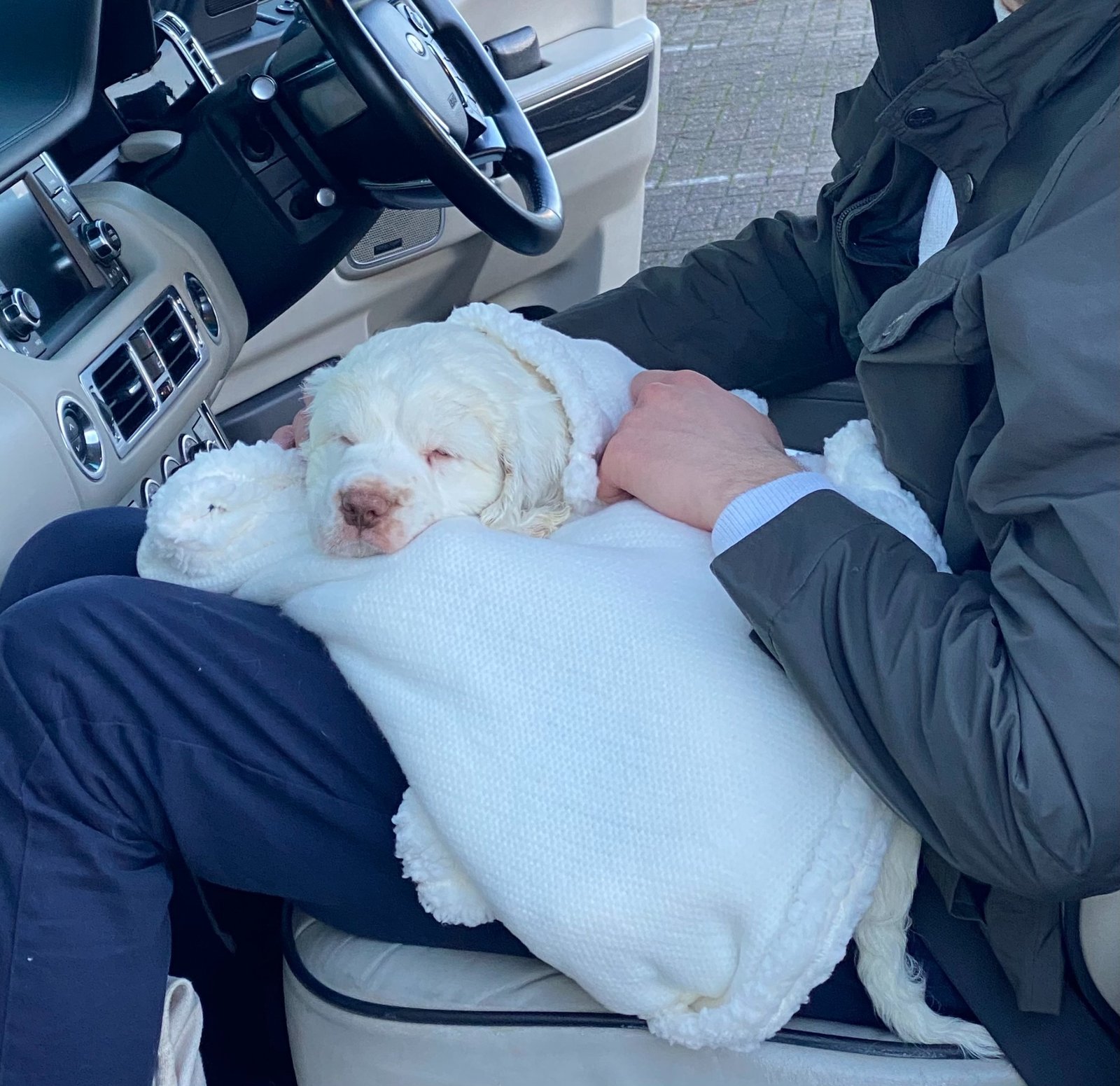
The first week is a settling-in period, not a test your puppy needs to pass. Aim for a manageable routine and small, positive experiences. Sleep, meals, toilet breaks and reassurance are more useful priorities than a busy schedule of introductions.
Collection day: make the journey simple
Before leaving, check you have the puppy's records, familiar food, feeding instructions and microchip details. Ask whether a familiar-smelling blanket can come too. Plan a direct journey with a suitable car restraint or secured carrier; your puppy should not travel loose or on a lap in a moving car.
At home, begin in the safe area you prepared. Show your puppy where water and their bed are. Keep the welcome small. Agree which person is taking the next toilet trip and who is staying nearby while the puppy settles.
Where should a puppy sleep on the first night?
PDSA recommends sleeping in the same room for the first few nights and comforting a puppy who is frightened. Use their own safe bed or positively introduced crate, keep bedtime quiet and expect overnight toilet trips. A blanket from their previous home may help.
Do not treat distress as something to punish. Check whether your puppy needs the toilet, comfort or veterinary attention. Take turns if possible: a simple rota is easier to follow when everyone is tired. Keep overnight interactions calm so returning to bed stays straightforward.
Build meals and toilet breaks into the day
Keep the familiar food and meal pattern initially. Make a note of food offered, appetite and toilet habits; this gives you useful information for the vet. Take frequent toilet opportunities, especially after waking, eating and playing, and reward successful toileting calmly. Clean up accidents without punishment.
Use a short written day plan with flexible spaces for rest. For example: wake, toilet opportunity, breakfast, quiet activity, another toilet opportunity, then sleep. This is an order of events, not a rule about how long every puppy should stay awake.
Gentle experiences, with your vet's advice
Socialisation is about positive learning, not meeting as many dogs as possible. RSPCA guidance includes being carried outside to experience sights and sounds and gradual handling practice before a puppy is fully vaccinated. Ask your vet which environments and dog contacts are suitable given local disease risks and the vaccines already received.
Keep encounters brief and let your puppy move away. Avoid making them endure a frightening situation to “get used to it”. Leave plenty of uninterrupted rest between experiences. Start reward-based learning in short, easy sessions; the PDSA socialisation guide is a useful starting point.
Use the first appointment well
Bring records and your questions about feeding, vaccinations, parasite care and settling. Confirm the next appointment and the out-of-hours contact. If your puppy seems unwell, phone the practice for advice rather than waiting for a routine booking. Your vet can judge the urgency for this puppy.
At the end of the week
Review what is working: is the sleeping area quiet enough, does everyone know the feeding routine, and can you sustain the care rota? Adjust one thing at a time. Revisit the puppy checklist and cost planner as your actual spending becomes clearer.
Sources and further reading
Sources checked 24 September 2026. Written by Vet Reviews; veterinary advice should be tailored by your practice. Cost examples are planning illustrations, not personal insurance recommendations.